Twelve kinds of taste
Which one are you?
Rate five things you know, from any shelf. Your archetype shows up in about a minute, and gets sharper with every log.
Rate five things you know, from any shelf. Your archetype shows up in about a minute, and gets sharper with every log.
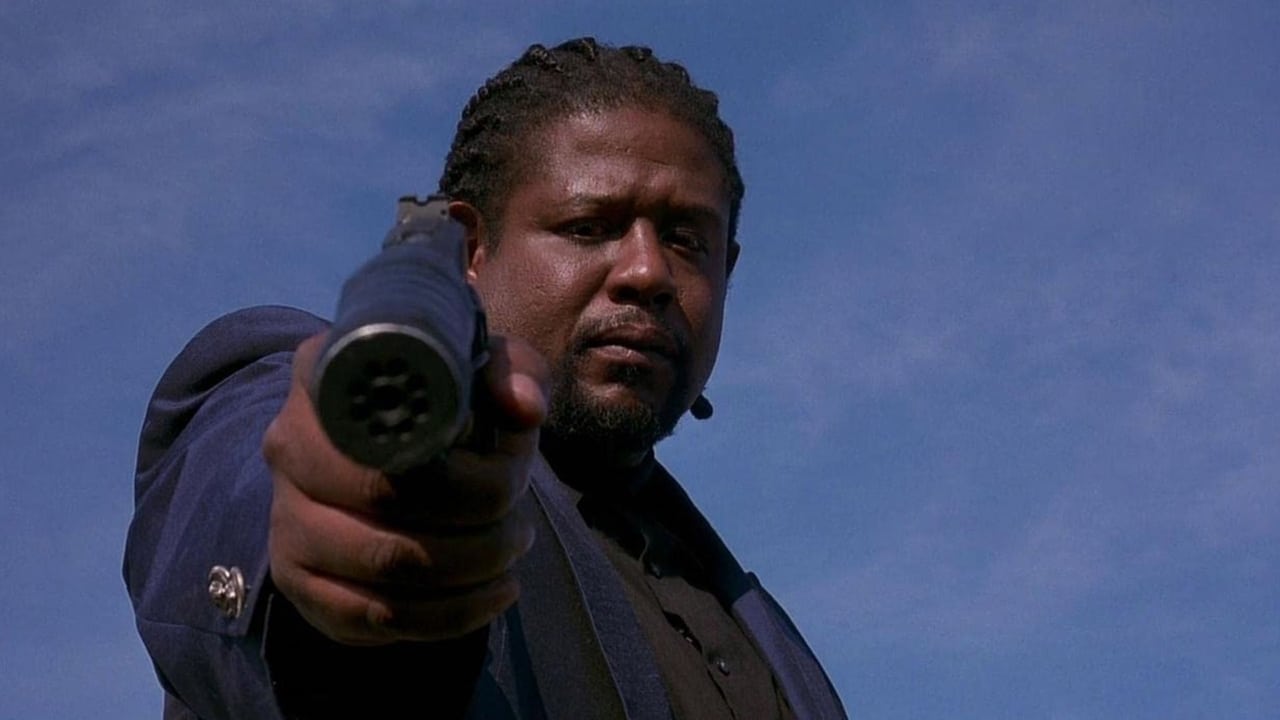
Crime, Drama 117 min R
Rotten Tomatoes84%Metacritic68IMDb
Live by the code. Die by the code.
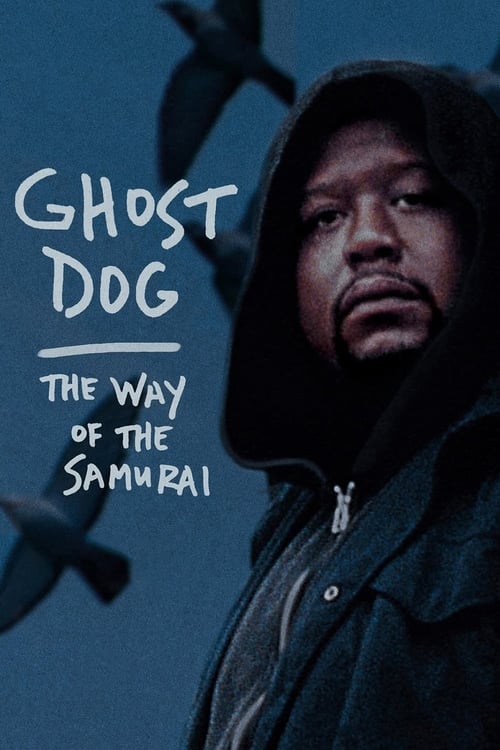
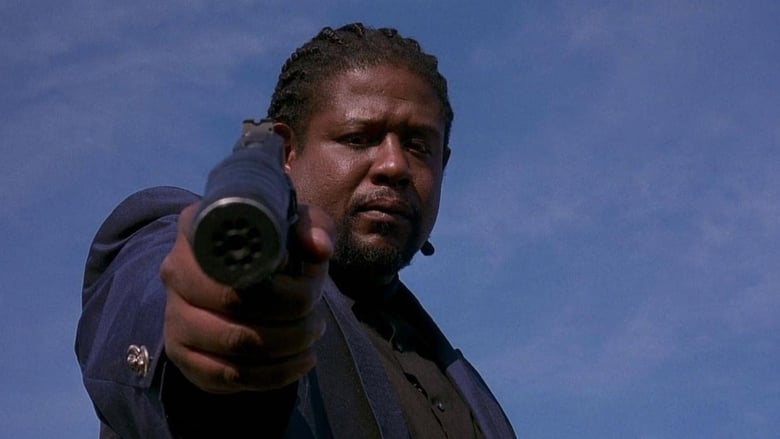
A Black hitman who models after the samurai of old finds himself targeted for death by the mob.
Sign in to log this.
Contemplative, meticulous, prestige and character-led.

No reviews yet. Yours would be the first word on it.
Written by TMDB members; each links to the original. Not part of Taste Buds's numbers.
**Ghost Dog: The Way of the Samurai (1999)** _Directed by Jim Jarmusch_ Honestly, I've never been a huge fan of Jim Jarmusch; he never fully captured my attention. But Ghost Dog I enjoyed immensely, primarily because Forest Whitaker did an amazing job of encapsulating the feeling of a zen martial artist. My own Buddhist training began in a Karate class with a teacher who was himself brought up in Japanese monastery training, authentic in other words. So I know what that discipline looks like, what that stillness costs, and Whitaker gets it right. He moves through the world with the economy and precision of someone who has internalized the code completely. The samurai angle, with passages from the Hagakure woven throughout, was deeply attractive to me. The film takes bushido seriously, not as exotic decoration but as a lived philosophy of service, loyalty, and acceptance of death. And the fact that Ghost Dog is invisible at night, moving like a ninja through the urban landscape, was a level up: The film understands that a warrior can move through the world without disturbing it. Outside that, the RZA soundtrack was fantastic, appropriate and completely enjoyable. The score never ove
Read the whole review on TMDBThe eponymous protagonist of Jim Jarmusch's 1999 film GHOST DOG is an African-American hitman (Forest Whitaker) working for an Italian mafia in New Jersey and living according to the Hagakure, Japan's samurai code. After a hit goes wrong through no fault of the assassin's own, his mafia liaison Louie (John Tormey) is sympathetic, but explains that his superiors now want Ghost Dog dead. The film follows Ghost Dog's revenge and depicts a clash between two ancient tribes that both seem out of date in this modern world: Ghost Dog's samurai code and Italian mafia ideas of loyalty. Jarmusch has always been open about the fact that he soaks up a huge number of inspirations from earlier films, books, and music and then lets them reflect in his own work. Any cinephile will instantly recognize Jean-Pierre Melville's 1967 film Le Samouraï as the point of departure for GHOST DOG. In Meville's classic, a Parisian hired assassin lives according to a strict code. But Melville didn't really know much about Japan, and even the quotation from a samurai text at the beginning of his film was just made up by Meville himself. Jarmusch seems to have decided, "OK, I'll show you a hired-assassin film that'
Read the whole review on TMDBChecking availability…
Closest on the same fourteen dimensions, from everything scored on Taste Buds. Other media included when they land close.








Recommendations from TMDB. Opening one adds it to Taste Buds
Answer first; then see how everyone, and your circle, split.
“Is this Jim Jarmusch's best work?”
Sign in to answer.
Be the first to answer.
“Is the polish hiding a lack of heart?”
Sign in to answer.
Be the first to answer.
“Is the slow pace a feature rather than a flaw?”
Sign in to answer.
Be the first to answer.
19 profiled raters. Loved most by The Prestige Hunters; disliked most by The Provocateurs.
If you loved this film, the television, the book, the music, the game.
| Stream | |
|---|---|
| Rent | |
| Buy |
US availability, powered by JustWatch via TMDB. Each chip opens that service’s search for the title. Other regions on JustWatch