Twelve kinds of taste
Which one are you?
Rate five things you know, from any shelf. Your archetype shows up in about a minute, and gets sharper with every log.
Rate five things you know, from any shelf. Your archetype shows up in about a minute, and gets sharper with every log.
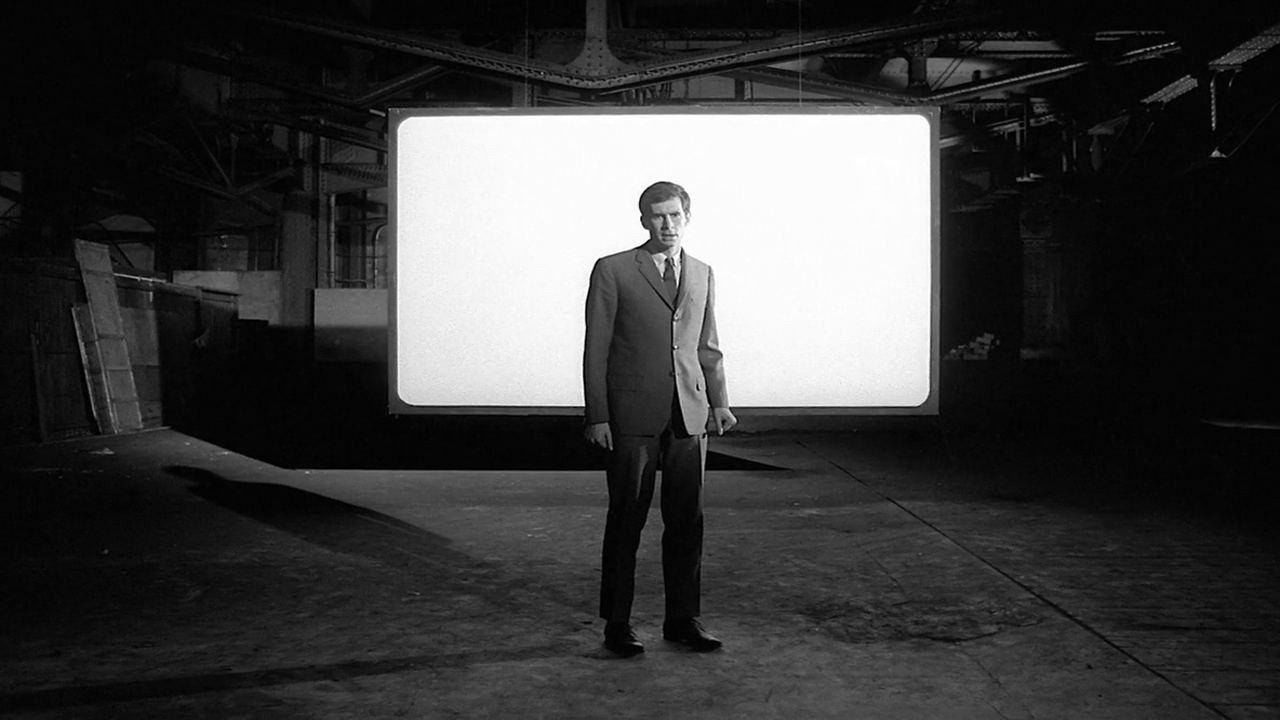
Crime, Drama, Mystery 119 min NR
Rotten Tomatoes84%IMDb
The Most Remarkable Motion Picture Ever Made!
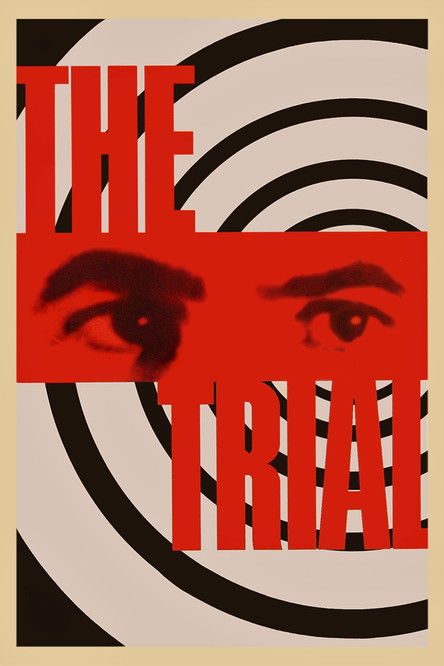
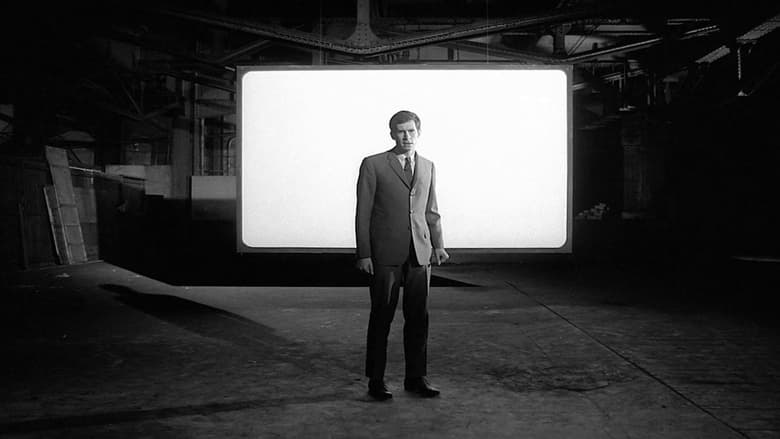
Arrested for an unnamed crime, Josef K. is trapped in a surreal bureaucratic maze where justice is unknowable and guilt is assumed.
Sign in to log this.
Prestige, open-ended, bleak and contemplative.
No profiled raters yet.

No reviews yet. Yours would be the first word on it.
Written by TMDB members; each links to the original. Not part of Taste Buds's numbers.
The Trial: Welles's Brilliant Exposition of Guiltless Guilt Orson Welles's "The Trial" exists in a lineage of dystopian narratives that includes Kafka's original text of the same name, George Orwell's "1984", and Terry Gilliam's "Brazil" film - all works that explore bureaucratic dehumanization and the absurdity of institutional power. If the first layer of the film reveals bureaucratic absurdity and inaccessible justice, its deeper strata explore a more insidious human condition: the phenomenon of "guiltless guilt" - an existential state where individuals internalize blame for circumstances beyond their control. Josef K (Anthony Hopkins) isn't just a victim of an incomprehensible system; he's a subconscious participant in his own psychological prosecution. Welles suggests that guilt isn't an external judgment, but an internal landscape where humans reflexively blame themselves for random misfortunes. This psychological mechanism echoes broader historical traumas. Like Kafka's prescient writing before the rise of Nazism, Welles exposes how undefined, internalized guilt enables systemic oppression. The nameless accusation becomes a mirror: "Perhaps I deserve this," people whisper to
Read the whole review on TMDBThere is something really quite terrifying about the scenario in which "Josef K" (a career-best performance from Anthony Perkins, I think) finds himself in this rather sinister thriller. He is awakened one morning to find the police in his bedroom. He is arrested and told he is to stand trial. For what, you might think? Well, that's what he wonders too - and every effort he makes to establish just what he is supposed to have done fails to deliver. His detention is hardly traditional either. He is largely free to come and go as he pleases, provided always that he is available to attend his questioning sessions by those who seem rather arbitrarily charged with deciding his guilt or innocence. As his (and our) frustrations grow, he explores the lives of those close to him - might the source of his predicament lie there? Luckily, his uncle learns of his situation and engages the learned advocate "Hastler" (Orson Welles) - but is he likely to prove an help or an hindrance? This story is Kafka as his very best. Machiavellian scheming mixed with the ultimate in "Big Brother" state manipulation; the disabling lack of information and the increasing exasperation of young "Josef" are successf
Read the whole review on TMDBChecking availability…
Closest on the same fourteen dimensions, from everything scored on Taste Buds. Other media included when they land close.







Recommendations from TMDB. Opening one adds it to Taste Buds
Answer first; then see how everyone, and your circle, split.
“Is the ambiguity a cop-out?”
Sign in to answer.
Be the first to answer.
“Is Anthony Perkins miscast as Josef K.?”
Sign in to answer.
Be the first to answer.
“Is this Orson Welles's best work?”
Sign in to answer.
Be the first to answer.
| Stream | |
|---|---|
| Free | |
| Rent | |
| Buy |
US availability, powered by JustWatch via TMDB. Each chip opens that service’s search for the title. Other regions on JustWatch