Twelve kinds of taste
Which one are you?
Rate five things you know, from any shelf. Your archetype shows up in about a minute, and gets sharper with every log.
Rate five things you know, from any shelf. Your archetype shows up in about a minute, and gets sharper with every log.
Drama 139 min
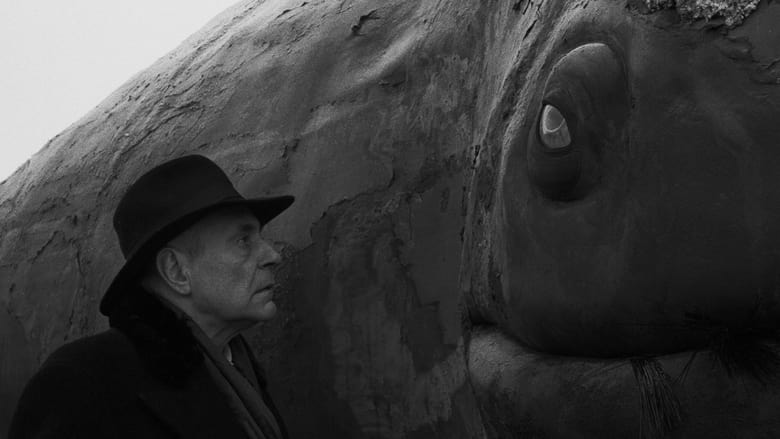
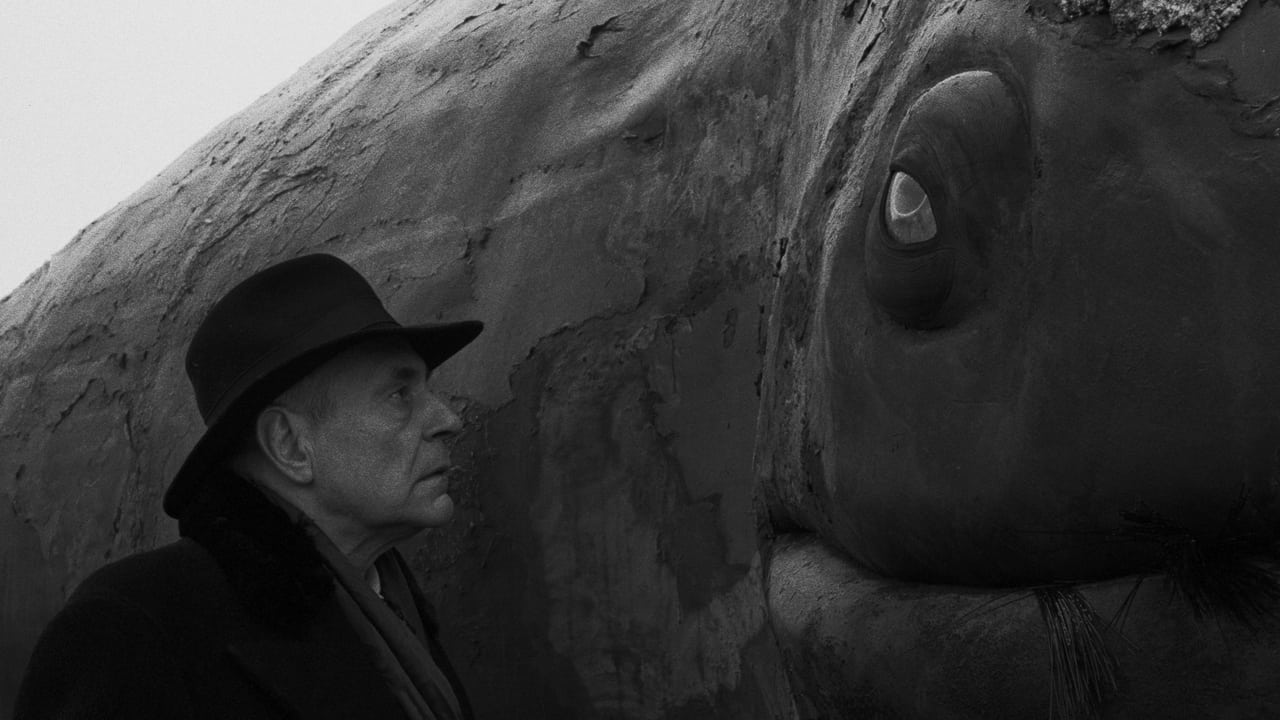
A naive young man witnesses an escalation of violence in his small hometown following the arrival of a mysterious circus attraction.
Join free to log it and keep your ratings, or see your odds on it first.
No profiled raters yet.

No reviews yet. Yours would be the first word on it.
Written by TMDB members; each links to the original. Not part of Taste Buds's numbers.
With the temperature well below zero, it's odd to see the rural population of the Hungarian plain standing around awaiting the ultimate in circus attractions (if not the ultimate nightmare for the taxidermist). A giant whale is revealed and, well, many of them have no idea what to make of it. As it remains, it attracts visitors from all around and their arrival starts to cause friction amidst this small community. That's especially problematic for the gentle young "János" (Lars Rudolph) who is used to being the sole source of local entertainment with his performances in the local boozer. What's not really clear to anyone, though, is just why this long deceased leviathan is causing so much trouble. His aunt "Tünde" (Hanna Schygulla) tries to recruit his sceptical uncle "György" (Peter Fitz) to chair a committee to try to restore some sort of equilibrium, but even that doesn't seem destined to calm things down as a mob descend on an hospital where only the epitome of pathetic imagery might just bring them to their senses? Perhaps not for long? It's cleary rich in allegory, this, and I'm guessing the principal point is to suggest that by sewing the seeds of discontent, the Soviets cre
Read the whole review on TMDBBéla Tarr's 2000 film <i>The Werckmeister Harmonies</i> deals with troubling events in a small town in Hungarian's eastern plains. After an opening scene showing simpleton postman János demonstrating to a bar full of drunks how the Earth and moon rotate around the sun with the help of three of the old geezers, he does his rounds in the early morning. Posters put up advertise the arrival of a giant whale with special guest, the Prince. This traveling circus, however, fills the townspeople not with eager anticipation but with dread. Indeed, when the Prince does appear, all hell breaks loose. Based on the novel The Melancholy of Resistance by László Krasznahorkai, the plot of this film is a transparent allegory for Hungary in the 1930s and 1940s: unable to keep its house in order, and falling for the demagoguery of fascism, Hungary brought on itself its long nightmare of Soviet domination. Tarr has curiously stated, however, that he is not offering us a historical allegory. By that I can only imagine that he is turning the allegory into a parable, using a reference to mid 20th-century Hungary as way of exploring more universal themes. Perhaps the central tension in the film is between
Read the whole review on TMDBChecking availability…
Recommendations from TMDB. Opening one adds it to Taste Buds
| Stream | |
|---|---|
| Rent | |
| Buy |
US availability, powered by JustWatch via TMDB. Each chip opens that service’s search for the title. Other regions on JustWatch