Twelve kinds of taste
Which one are you?
Rate five things you know, from any shelf. Your archetype shows up in about a minute, and gets sharper with every log.
Rate five things you know, from any shelf. Your archetype shows up in about a minute, and gets sharper with every log.
Fantasy, Drama, Mystery 188 min R
Rotten Tomatoes100%Metacritic100IMDb
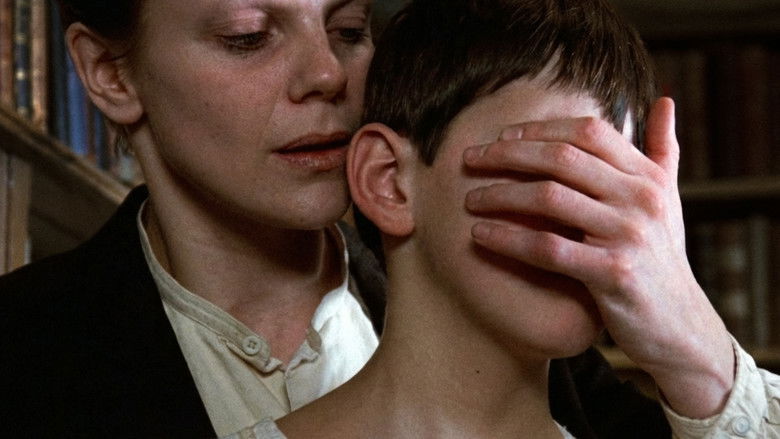
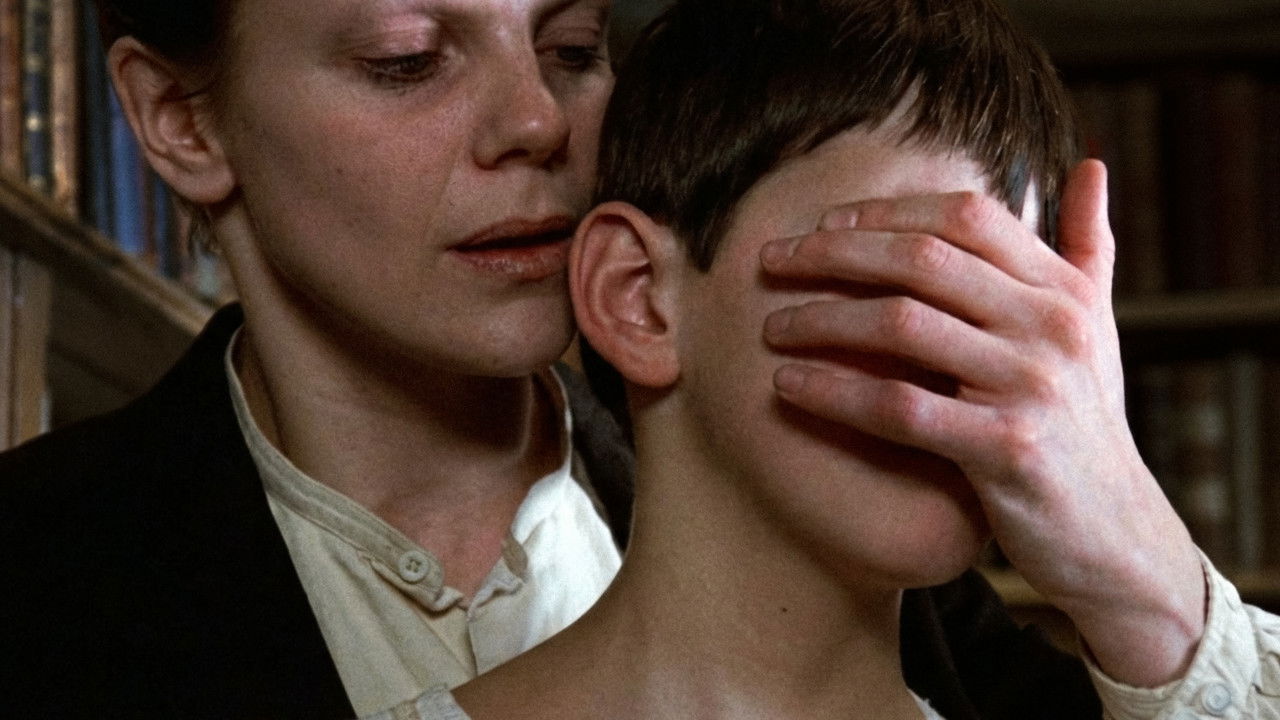
As children in the loving Ekdahl family, Fanny and Alexander enjoy a happy life with their parents, who run a theater company. After their father dies unexpectedly, however, the siblings end up in a joyless home when their mother, Emilie, marries a stern bishop. The bleak situation gradually grows worse as the bishop becomes more controlling, but dedicated relatives make a valiant attempt to aid Emilie, Fanny and Alexander.
Sign in to log this.
Prestige, contemplative, meticulous and demanding.
No profiled raters yet.

No reviews yet. Yours would be the first word on it.
Written by TMDB members; each links to the original. Not part of Taste Buds's numbers.
The eponymous children (Pernilla Allwin and Bertil Guve) live an happy upper-middle class life with their theatre-manager father "Oskar" (Allan Edwall) and mother "Emilie" (Ewa Fröling) and are looking forward to Christmas. Parties ensue and a good time is had by all until the father is suddenly taken ill. His death follows swiftly and their mother is soon being wooed by the rather puritanical bishop "Vergerus" (Jan Malmsjö) who has a rather different, more disciplinarian, attitude to bringing up the children. When they marry, the life of "Alexander", especially, becomes nigh on intolerable. "Emilie" is initially tolerant of her new husband's policies, but gradually she grows to hate him and to start finding a way to get herself and her children back the safety of her own, loving, family. It's slightly episodic, this film. Phase one shows us the happiness, the second the marriage, the third - well that's the escape from the marriage - and it's the second phase that works best for me. A really quite chilling performance from Malmsjö as the cruel man of God also brings out a spirited effort from the young Guve who proves that "Alexander" is definitely not a quitter. The design of thi
Read the whole review on TMDBReleased in 1982 in a 5-hour version for Swedish television and cut to 180 minutes for theatrical release, <i>Fanny and Alexander</i> was meant to be Ingmar Bergman's last film. Though the great auteur lived on another 25 years and even wrote and directed some smaller projects, <i>Fanny and Alexander</i> can still be seen as a great capstone to decades of legendary cinema. FANNY AND Alexander deals with the great two preoccupations of Bergman's career, namely the absence of God and the unbridgeable gaps between human beings, but the result is wonderfully life-affirming. Fanny and Alexander are the children of Oscar and Emilie Ekdahl, actors in Uppsala circa 1907, but the film gives a panorama of the extended Ekdahl family, presided over by grandmother Helena, uncles Gustav Adolf (a restaurateur and the film's most comedic presence) and Carl (a professor who has fallen into debt and is trapped in a loveless marriage), their wives and children, and the selfless Jewish shopkeeper Isak Jacobi. This Swedish family lives in an Old World opulence that is hard to believe for audiences today, especially for a country whose class system by and large disappeared after the war. The rigid inter
Read the whole review on TMDBChecking availability…
Closest on the same fourteen dimensions, from everything scored on Taste Buds. Other media included when they land close.








Recommendations from TMDB. Opening one adds it to Taste Buds
| Stream | |
|---|---|
| Free | |
| Rent | |
| Buy |
US availability, powered by JustWatch via TMDB. Each chip opens that service’s search for the title. Other regions on JustWatch