Twelve kinds of taste
Which one are you?
Rate five things you know, from any shelf. Your archetype shows up in about a minute, and gets sharper with every log.
Rate five things you know, from any shelf. Your archetype shows up in about a minute, and gets sharper with every log.
Drama 85 min PG
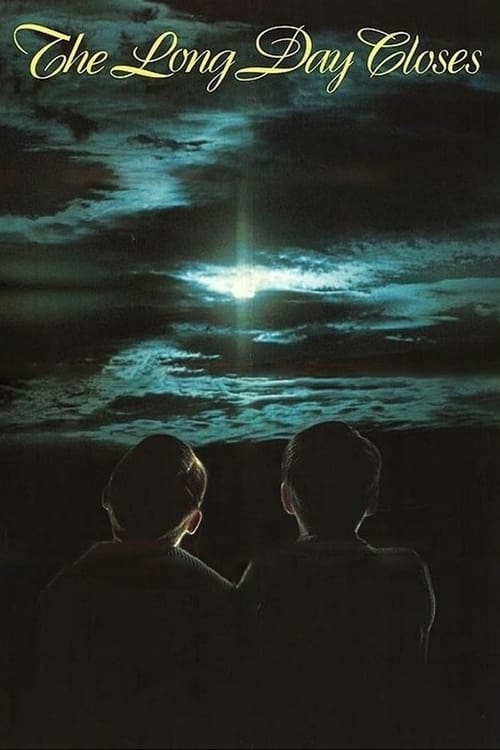
A magical story about a boy’s love affair with the music and movies of the 50s.
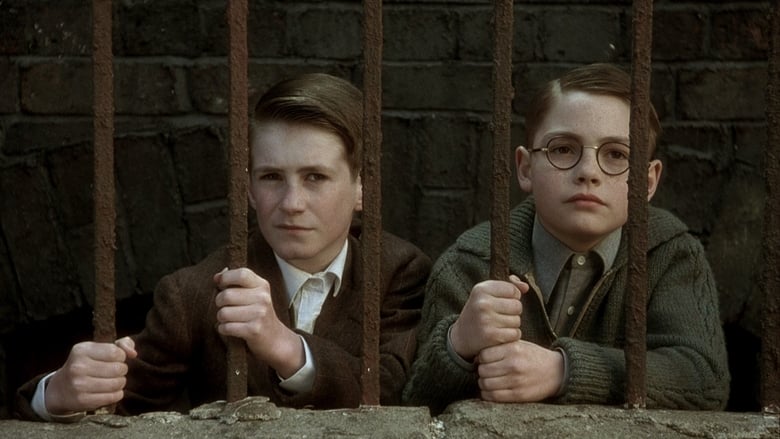
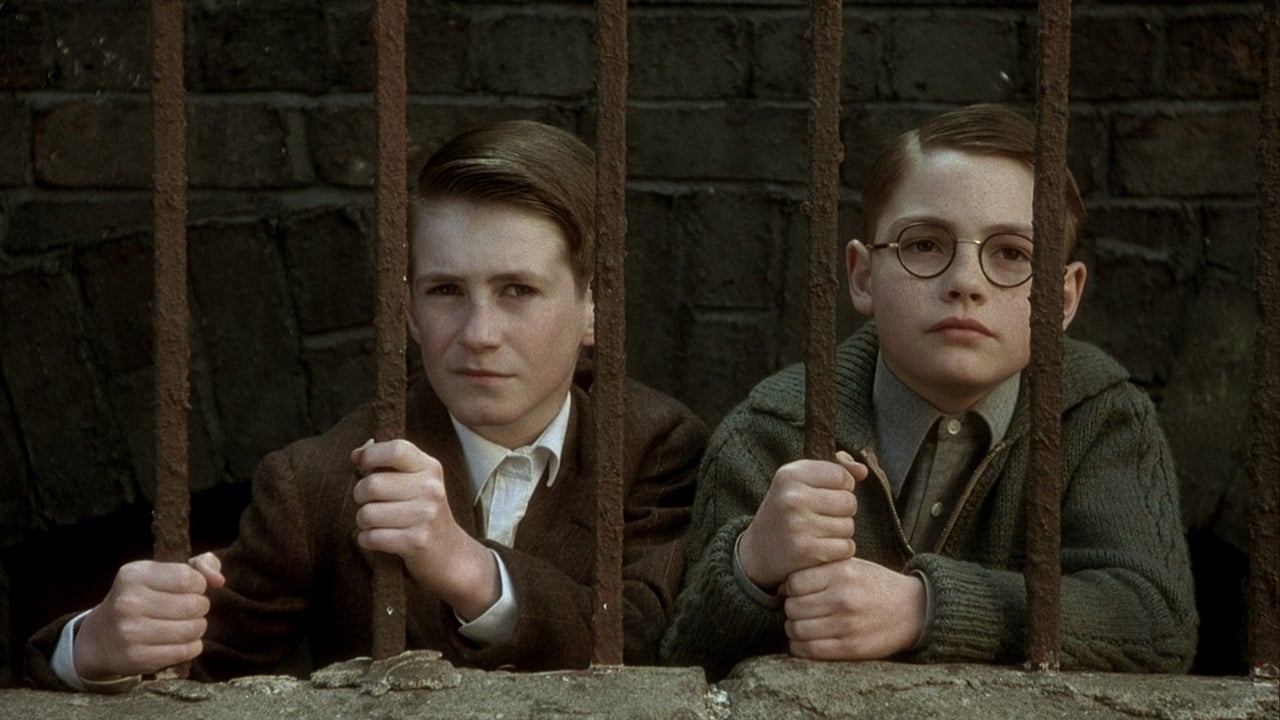
Bud is a lonely and quiet boy whose moments of solace occur when he sits in rapture at the local cinema, watching towering and iconic figures on the movie screen. The movies give Bud the strength to get through another day as he deals with his oppressive school environment and his burgeoning homosexuality.
Join free to log it and keep your ratings, or see your odds on it first.
No profiled raters yet.

No reviews yet. Yours would be the first word on it.
Written by TMDB members; each links to the original. Not part of Taste Buds's numbers.
Why this this didn’t get even one BAFTA nomination is quite a puzzle as it’s a beautiful piece of cinema that uses it’s own industry’s nostalgia to paint a picture of a young boy longing for that intangible something we all want as our teens loom large. This story is set in a Liverpool still recovering from the end of the war, and where the young “Bud” (Leigh McCormack) lives with adoring mum (Marjorie Yates) and his three siblings. He is a quiet lad, and of course that earns him the enmity of the bullies at his local Catholic school where the cane is as much the currency as then pen. It’s not that he is lonely in any melodramatic sense, it’s that his soul is restless for a life he has seen encapsulated in his favourite place - his cinema. He could live in the place and is fascinated by everything it presents to this impressionable, open-minded, and kind-spirited eleven year old. The visuals and the glorious soundtrack are really quite strikingly used by Terence Davies here, and McCormack comes across as entirely natural throughout this engaging and remarkably unsentimental drama. There’s a lovely scene where he and Yates do a little curtain cameo of “Walk Down the Avenue” that rem
Read the whole review on TMDBOkay, I get it. This movie is artistic. Plot and character development are secondary, irrelevant even perhaps. The film is about visual snapshots, emotional memories that are alternately nostalgic or slightly painful. But I think the movie tries so hard that it fails to entertain, choosing to assume that if you don’t like it, that is okay, because it means you don’t “get” it. For example, do we really need the camera to linger on an empty scene like a stairway for 15 to 30 seconds after someone has walked up them? What does that add to the emotional impact of the film? And how illustrative is it to watch the boy stare at nothing for several moments without giving us any indication what he is thinking or feeling? Shouldn’t we care? And is it good cinema to have the characters mumble so that we lean forward to hear what they are saying, only to blast us out of our seats with one of the many loud interludes of music? By all means, be artistic and atmospheric and nostalgic. But if you go far enough as to have a narrator occasionally slip in descriptions of what we are seeing, why not take it a step further and tell a bit of a story while you are at it? It would have been so easy to ple
Read the whole review on TMDBChecking availability…
Closest on the same fourteen dimensions, from everything scored on Taste Buds. Other media included when they land close.






Recommendations from TMDB. Opening one adds it to Taste Buds
Answer first; then see how everyone, and your circle, split.
“Is this Terence Davies's best work?”
Sign in to answer.
Be the first to answer.
“Is the nostalgia doing the heavy lifting?”
Sign in to answer.
Be the first to answer.
“Does the smallness hold it back?”
Sign in to answer.
Be the first to answer.
| Stream |
|---|
US availability, powered by JustWatch via TMDB. Each chip opens that service’s search for the title. Other regions on JustWatch