Twelve kinds of taste
Which one are you?
Rate five things you know, from any shelf. Your archetype shows up in about a minute, and gets sharper with every log.
Rate five things you know, from any shelf. Your archetype shows up in about a minute, and gets sharper with every log.
Japanese tea ceremony, Social life and customs, Tea, Philosophy
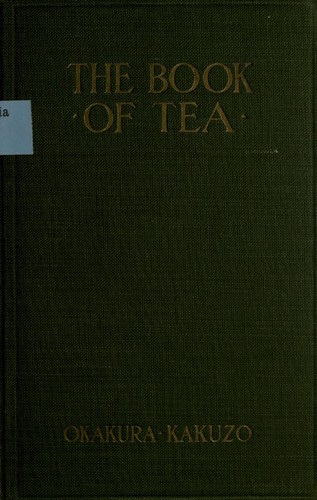
Tea began as a medicine and grew into a beverage. In China, in the eighth century, it entered the realm of poetry as one of the polite amusements. The fifteenth century saw Japan ennoble it into a religion of aestheticism - Teaism. Teaism is a cult founded on the adoration of the beautiful among the sordid facts of everyday existence. It inculcates purity and harmony, the mystery of mutual charity, the romanticism of the social order.
Join free to log it and keep your ratings, or see your odds on it first.
No profiled raters yet.

No reviews yet. Yours would be the first word on it.
On Open Library, 20 have read it and 237 want to.
“Tea began as a medicine and grew into a beverage.”
*In this Japanese name, the family name is Okakura.* Okakura Kakuzō (岡倉 覚三, February 14, 1862 – September 2, 1913; also known as 岡倉 天心 Okakura Tenshin) was a Japanese scholar who contributed to the development of arts in Japan. Outside of Japan, he is chiefly remembered today as the author of The Book of Tea.
Companions we picked from the closest works, and how to take them.
Answer first; then see how everyone, and your circle, split.
“Is The Book of Tea a masterpiece, not merely a very good book?”
Sign in to answer.
Be the first to answer.
“Would The Book of Tea hit harder if it came out today rather than in 1900?”
Sign in to answer.
Be the first to answer.
“Is it style over substance?”
Sign in to answer.
Be the first to answer.
If you loved this book, the film, the television, the music, the game.