Twelve kinds of taste
Which one are you?
Rate five things you know, from any shelf. Your archetype shows up in about a minute, and gets sharper with every log.
Rate five things you know, from any shelf. Your archetype shows up in about a minute, and gets sharper with every log.

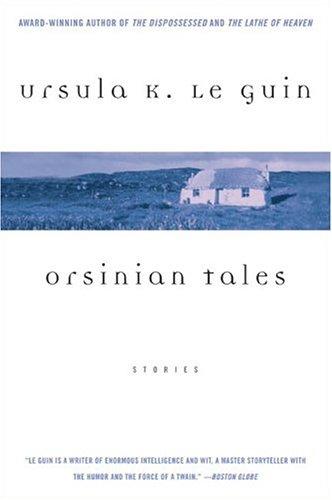
American Science fiction, English Short stories, Short stories, Fiction, short stories (single author)
This is a collection containing, among other stories, the short story that started the Earthsea series." Along with "The Rule of Names," the story establishes the world and characters of Earthsea. First published in 1964 in an issue of Fantastic, the story can be found in a handful of anthologies but can be hard to lay hands on.
Sign in to log this.
Richly built, cool, classical in form and meticulous.
No profiled raters yet.

No reviews yet. Yours would be the first word on it.
On Open Library, 12 have read it and 105 want to.
“How can you tell the legend from the fact on these worlds that lie so many years away?-planets without names, called by their people simply The World, planets without history, where the past is the matter of myth, and a returning explorer finds his own doings of a few years back have become the gestures of a god.”
Ursula Kroeber Le Guin (née Kroeber; October 21, 1929 – January 22, 2018) was an American author. She is best known for her works of speculative fiction, including science fiction works set in her Hainish universe, and the Earthsea fantasy series. Her work was first published in 1959, and her literary career spanned nearly sixty years, producing more than twenty novels and more than a hundred short stories, in addition to poetry, literary criticism, translations, and children's books. Frequently described as an author of science fiction, Le Guin has also been called a "major voice in American Letters". Le Guin said that she would prefer to be known as an "American novelist". Source: [Wikiped
Closest on the same fourteen dimensions, from everything scored on Taste Buds. Other media included when they land close.